


Natural Pigments for Artists
Natural pigments are among the oldest and most enduring color materials used in art. Long before industrial chemistry, artists sourced color directly from the earth, grinding minerals, stones, and organic materials into pigments that shaped the visual language of ancient civilizations, illuminated manuscripts, and Renaissance masterpieces.
Today, natural pigments continue to hold a special place in fine art. Artists, conservators, and collectors value them for their depth, complexity, permanence, and historical continuity. At De Mairo, natural pigments are not a trend, they are a discipline rooted in traditional knowledge and careful craftsmanship
What Are Natural Pigments?
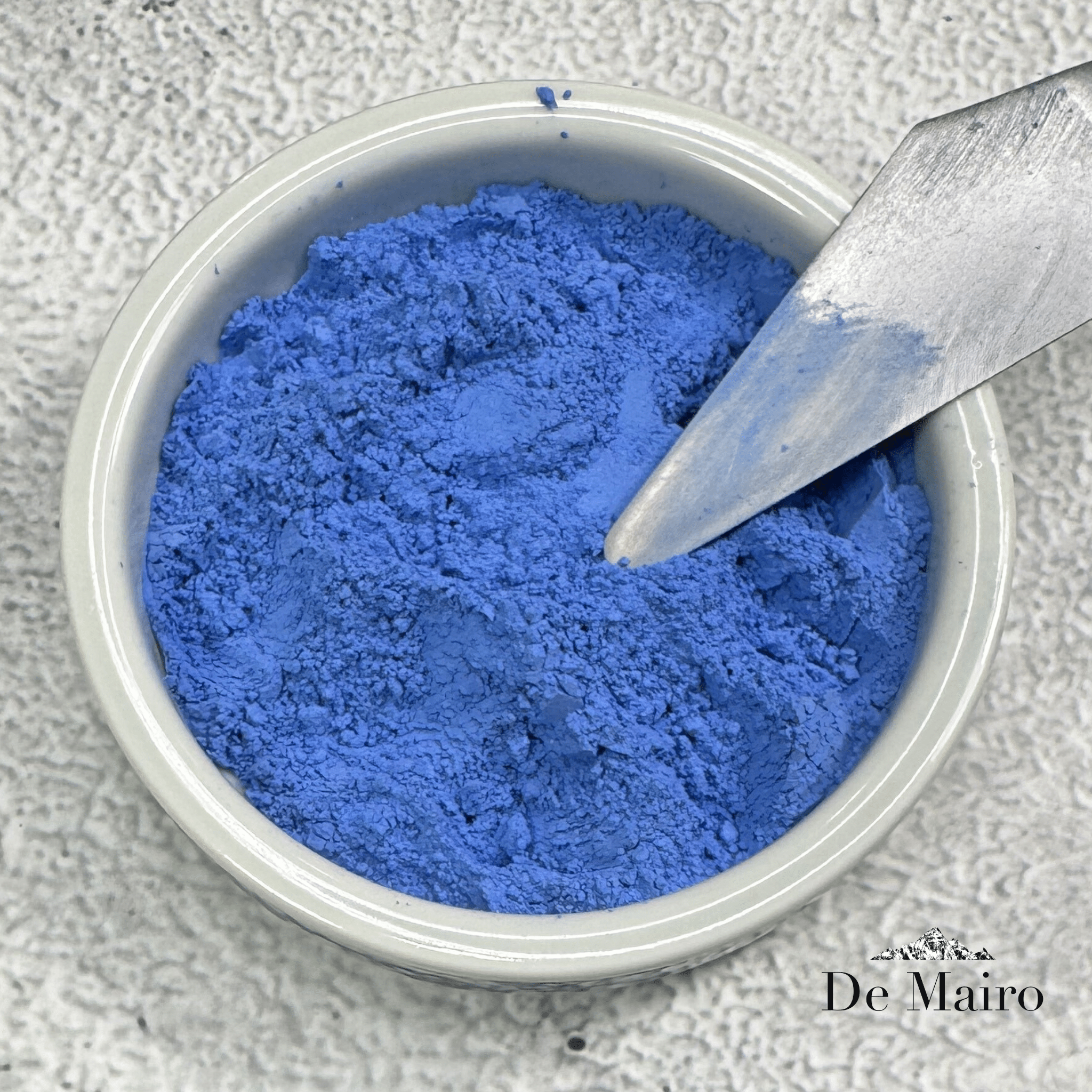
Natural pigments are colorants derived directly from naturally occurring materials rather than synthetic chemical processes. These materials are processed physically — crushed, ground, washed, and refined, without altering their inherent chemical structure.
Unlike dyes, which dissolve into a medium, pigments remain as solid particles suspended in a binder such as gum arabic or oil. This particulate nature is what gives pigments their characteristic texture, light interaction, and longevity.
Natural pigments are commonly categorized into mineral, gemstone, and earth pigments, each with unique visual and material properties.
Natural Pigments vs Synthetic Pigments
The rise of synthetic pigments in the 19th century transformed art production by making colors cheaper, brighter, and more widely available. However, this convenience often came at the cost of depth, subtlety, and long-term stability.
While both have their place in contemporary practice, many artists continue to choose natural pigments for their expressive character, authenticity, and connection to historical techniques.
Types of Natural Pigments Used in Art
Natural Pigments in Art History
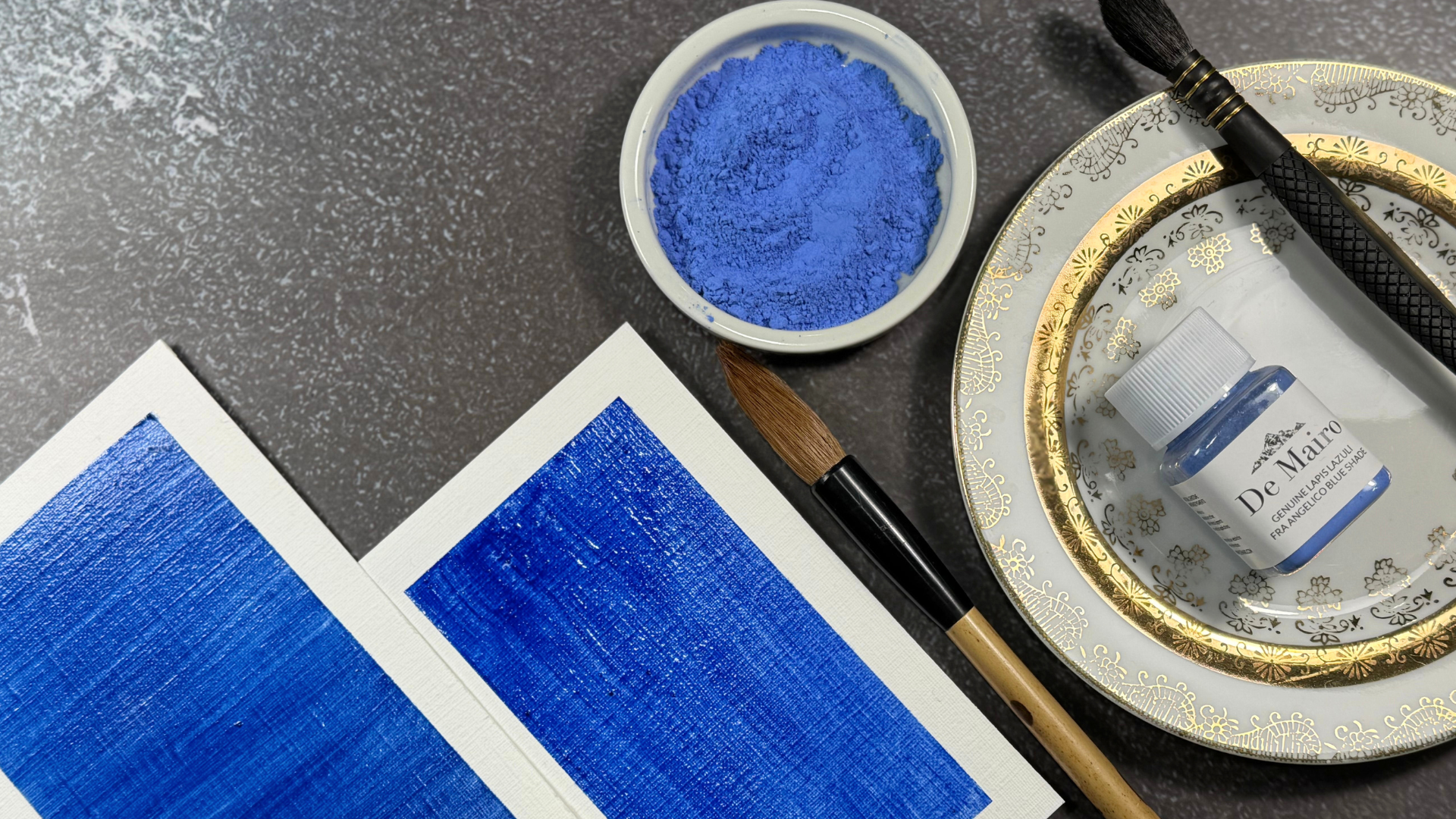
From the caves of Lascaux to the ateliers of Renaissance Italy, natural pigments have shaped the visual heritage of humanity. Lapis lazuli traveled from the Sar-e-Sang mines of Afghanistan along ancient trade routes to become ultramarine — the most precious blue in European painting.
In Islamic illumination and Tezhib, mineral and gold pigments defined sacred geometry and manuscript art. In medieval Europe, pigments were selected not only for color, but for symbolism, permanence, and spiritual significance.
These traditions continue to inform contemporary artists seeking depth, meaning, and continuity in their work.
How Natural Pigments Are Used Today
Natural pigments are also essential in conservation and restoration, where material authenticity and chemical compatibility are critical. Modern artists use natural pigments across multiple mediums:
Natural Pigments by De Mairo
De Mairo specializes in genuine mineral and gemstone pigments prepared using historically informed methods. Each pigment is carefully refined to preserve its natural character while ensuring professional performance.
Our collections include rare gemstone pigments, handcrafted watercolors, gouache, and oil paints made for artists who value authenticity, permanence, and material integrity.

Frequently Asked Questions
Are natural pigments lightfast?
Are natural pigments lightfast?
Many natural pigments, particularly mineral and gemstone pigments, are among the most lightfast materials known when properly prepared and used.
Are natural pigments safe to use?
Are natural pigments safe to use?
Safety depends on the specific pigment. Responsible handling and traditional preparation methods are essential.
Why are natural pigments more expensive?
Why are natural pigments more expensive?
They require extensive manual processing, careful sourcing, and low-yield refinement compared to synthetic alternatives.
Can artists make their own paint from natural pigments?
Can artists make their own paint from natural pigments?
Yes. Natural pigments are ideal for artists who wish to prepare their own watercolor, gouache, or oil paints using traditional binders.


